Sunday, November 30, 2014

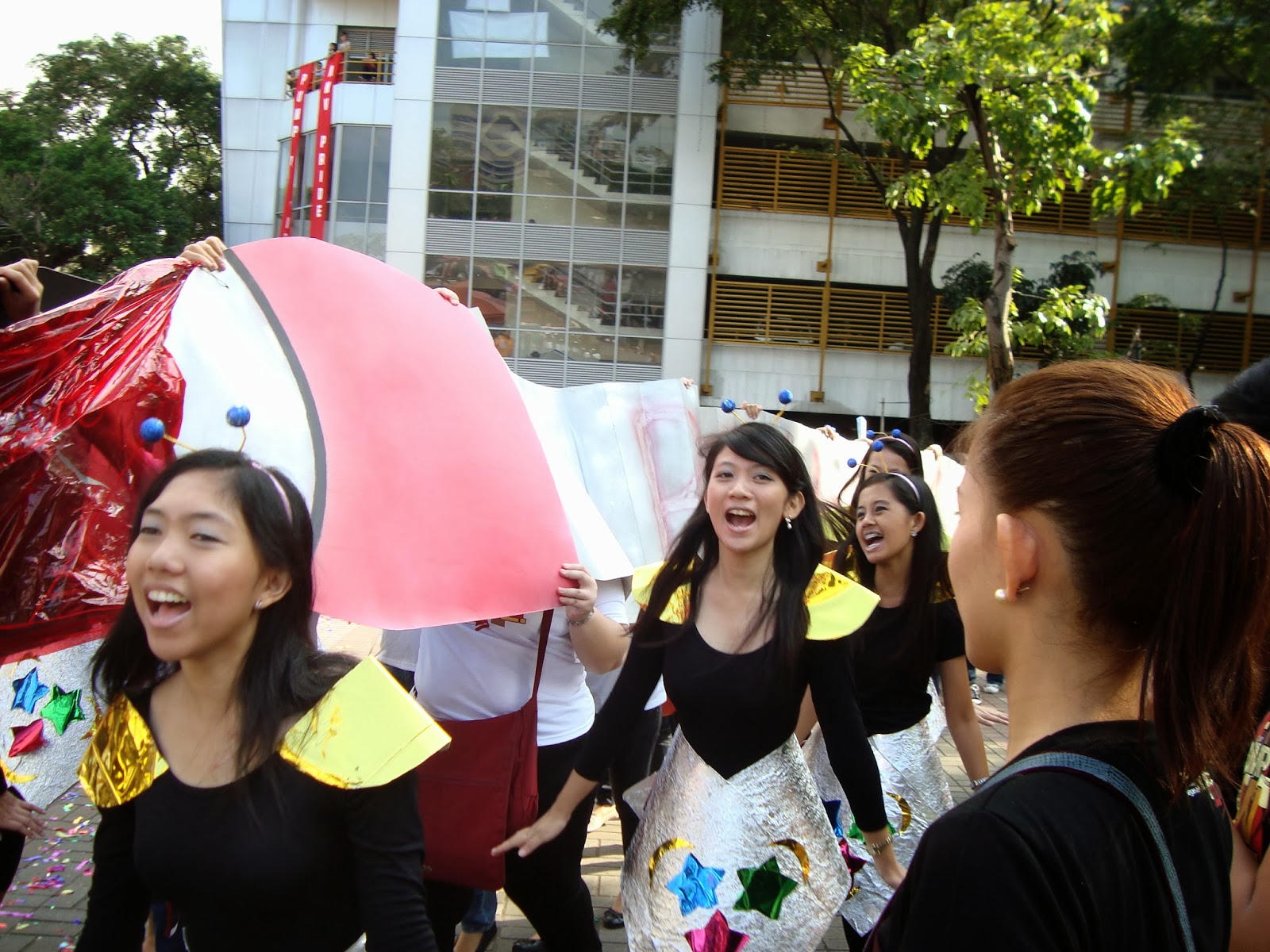
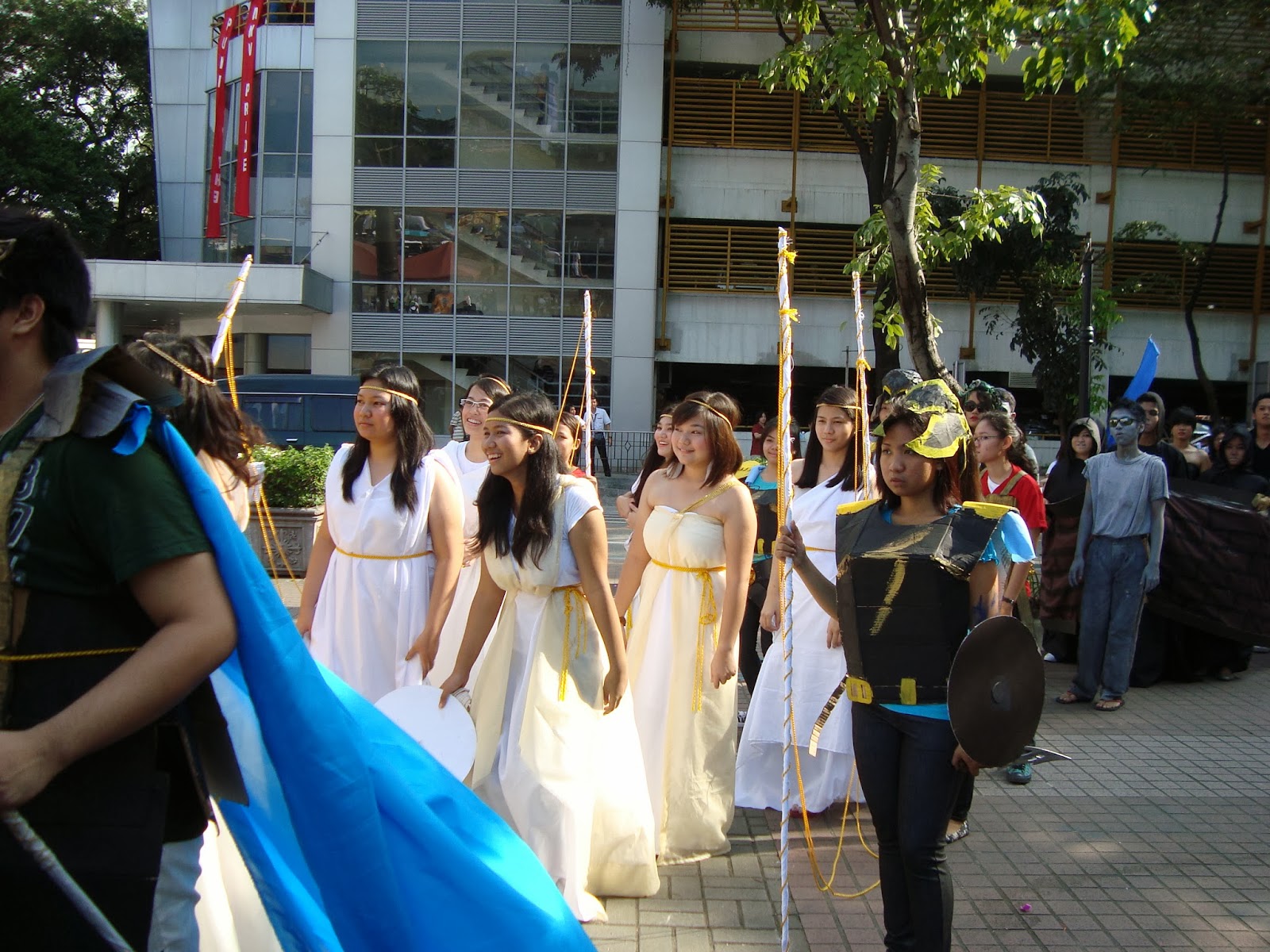
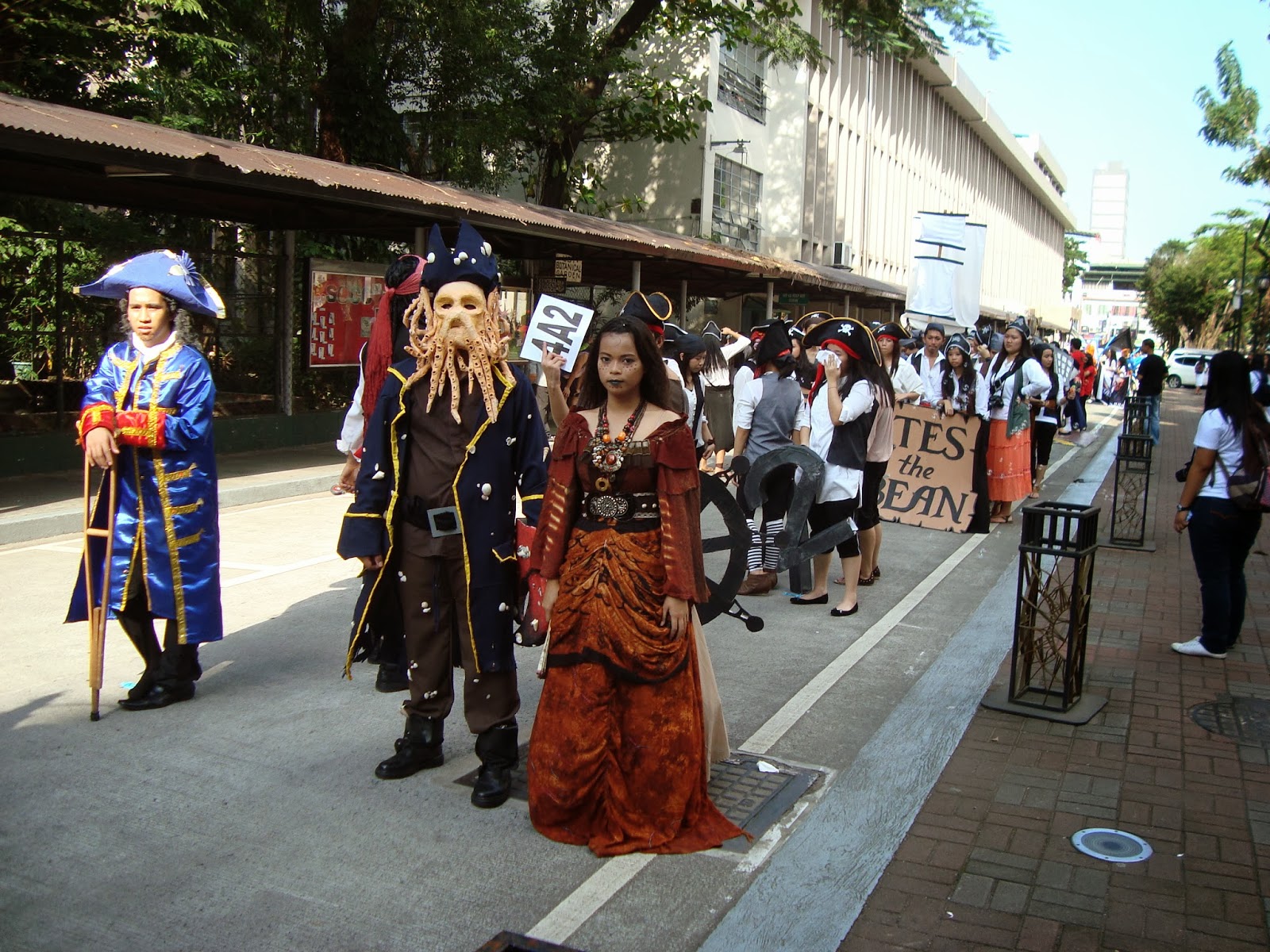
Movies on Parade at UST

Movies Fill Our Lives
Dr Abe V Rotor
Living with Nature School on Blog
Paaralang Bayan sa Himpapawid with Ms Melly C Tenorio
738 DZRB AM Band, 8-9 evening class, Monday to Friday  
 
Of pirates and witches...

Fantasy comes down to earth alive
in flesh walking: ghosts, fairies,
creatures of sea and land they thrive
in human laughter and tears

that fill empty lives e’en just a while
and give the world a break
in the idleness of time passing by
cares and worries at stake  

where friends and foes hold hands,
monsters tame and meek;
stories sad and happy cater to fans,
all for freedom they seek

from doctrinaire and conventions;
for it’s imagination that rules
and dictates all human institutions
with technology its tools;

movies – books visual, by audition,
in make believe and reality,
man’s gift to himself, his own  invention,   
his passport to liberty. ~

Wizard of Oz and fairytales
Of forest deities and kingdoms 
 
Finding Nemo, the friendly fish


Of old cultures and postmodern


And adventure with the imagination …

Thursday, November 27, 2014

Baby Talk: "Please eat vegetables."

Dr Abe V Rotor 
Living with Nature School on Blog
Paaralang Bayan sa Himpapawid with Ms Melly C Tenorio
738 DZRB AM Band, 8-9 evening class, Monday to Friday  
      Mackie with her pink Teddy Bear at home

Baby talk is the earliest language;
it is the universal language
of all creatures, all generations;
"Please eat vegetables." ~


Wednesday, November 26, 2014

Members of the Cuciferae or Cabbage family are the most sprayed vegetables.


The most sprayed vegetables are the crucifers – cabbage, cauliflower, lettuce, mustard, celery, carrot, pechay, wonbok, and the like. 
Dr Abe V Rotor
Living with Nature School on Blog
Paaralang Bayan sa Himpapawid with Ms Melly C Tenorio
738 DZRB AM Band, 8-9 evening class, Monday to Friday  


Community vegetable gardening. Barangay Valencia, San Juan MM 

These vegetables shown below are native to our soil and climate. Consequently, they have natural resistance to pests and diseases that would not spare other introduced varieties, especially those of foreign origin.


Native vegetables generally don't require chemical spraying. Can you identify these vegetables?   Do you have these in your community?
What recipes are these vegetables prepared.

Tinkering with the genes of indigenous species erodes natural resistance. Our native rice varieties for example, although they are not top producers, are resistant to pest, drought, flood, can compete with weeds, and do not need much care. Genetically “improved” rice varieties became pampered with fertilizers, water, planting distance, thorough soil cultivation, and most specially, spraying with insecticides and fungicides. They are likened to our present breeds of animals. Our poultry today can no longer thrive in the open, whereas our native fowls are “self-supporting”.

This is true with many vegetables. That is why commercial vegetables throughout their life cycle are provided with a “chemical blanket” to protect them from the onslaught of pests and diseases, many of them became destructive as a result of induced mutation. Indiscriminate chemical spraying has been found to build biological specialization so that certain insects and pathogens, which survive, carry on their acquired resistance to the next generation.

To the farmer this means more frequent sprayings at higher dosages, with elevated toxicities. This is what is happening today with many vegetables bought in the markets. The sector least heard of regarding this dilemma is the pesticide industry because it greatly benefits from it.

Pesticides are believed to be the most common source of poison that causes liver and kidney ailments. They affect our nervous system and impair our senses. They have long been tagged as a major cause of cancer, diabetes, allergy and other physiologic disorders. Because most of the pesticides today are synthetic chemicals, our body cannot readily degrade and excrete them. Instead, they tend to accumulate until a threshold level is reached that leads to many health problems.

Let us look at the second category of vegetables: those which are grown successfully only with the aid of pesticides. Without pesticides, they cannot survive the attack of pests and diseases.

The most sprayed vegetables are the crucifers – cabbage, cauliflower, lettuce, mustard, celery, carrot, pechay, wonbok, and the like. The pesticides used on them are the most potent brands, leaving no chance to caterpillars ensconced in deep holes, mites in the roots, and aphids in leaf axils. The poison must be absorbed and distributed throughout the plant so that any insect that feeds on the sap is sure to get the poison and die. This is why such poisons are called systemic, which means that they are translocated in all parts of the plant from roots to tips of stems and leaves, to flowers and fruits. The sap carries them in the same way substances are carried and distributed by blood to all parts of our body.

Flowers of squash (Cucurbita maxima) and saluyot (Corchorus olitorius) are a favorite in preparing bulanglang or diningding, popular among Ilocanos.
   Poisons of this kind are also used on cucurbits (melons, watermelons, cucumbers, upo, squash, patola and ampalaya). The principal enemy is the fruit fly (Dacus cucurbitae), which lays eggs on the young fruits. Mango growers also use systemic poison to protect the fruits from another species of fruit fly, Dacus dorsalis. Mango importing countries like Australia, Japan and the United States impose strict regulations against fruit flies which also attack other fruits and vegetables like oranges and bananas, endangering their local fruit industries.

There are vegetables that may have been sprayed long before they are harvested such as peanut (Arachis hypogea) and mungo (Phaseolus radiatus). Rice and corn are relatively safe from the pesticides sprayed on them during their growing period. It takes at least 20 days for the grains to set and mature, ready for harvesting. By this time, the sprayed chemical has leveled off safely. It is the protective spraying before and during the storage of the grains that must be strictly regulated as this can leave harmful residues.~

Tuesday, November 25, 2014

Elephant Tree - A Re-incarnation


Elephant Tree - A Re-incarnation 

Dr Abe V Rotor

Author visits Elephant Tree at Kaohsiung Park,  Taiwan

Re-incarnation - this elephant tree had been
once roaming around in band;
threatened, endangered and gone,
what would it become the next time around?


Monday, November 24, 2014

Native American Art in Postmodern Times

Verses by Dr Abe V Rotor
Living with Nature School on Blog
Paaralang Bayan sa Himpapawid with Ms Melly C Tenorio
738 DZRB AM Band, 8-9 evening class, Monday to Friday
 Indian dance to pop music,
its rhyme and rhythm lost;
what music lacks costume fills,
but at pseudo fashion cost  
 A single tree in a lake of snow;
orphaned from the woods I know;
the prairies where once they roamed 
these horses are all but doomed.   
Which run faster, feet or stream?
coherent words or scream?
witness the houses and flowers,
the idleness  before the showers.  
 A world of fantasy in Exupery's The Little Prince
save for a fox untamed and a stairway to the sky,  
amid night butterflies and day roses sans thorns - 
a potpourri of events in a setting false and wry.   

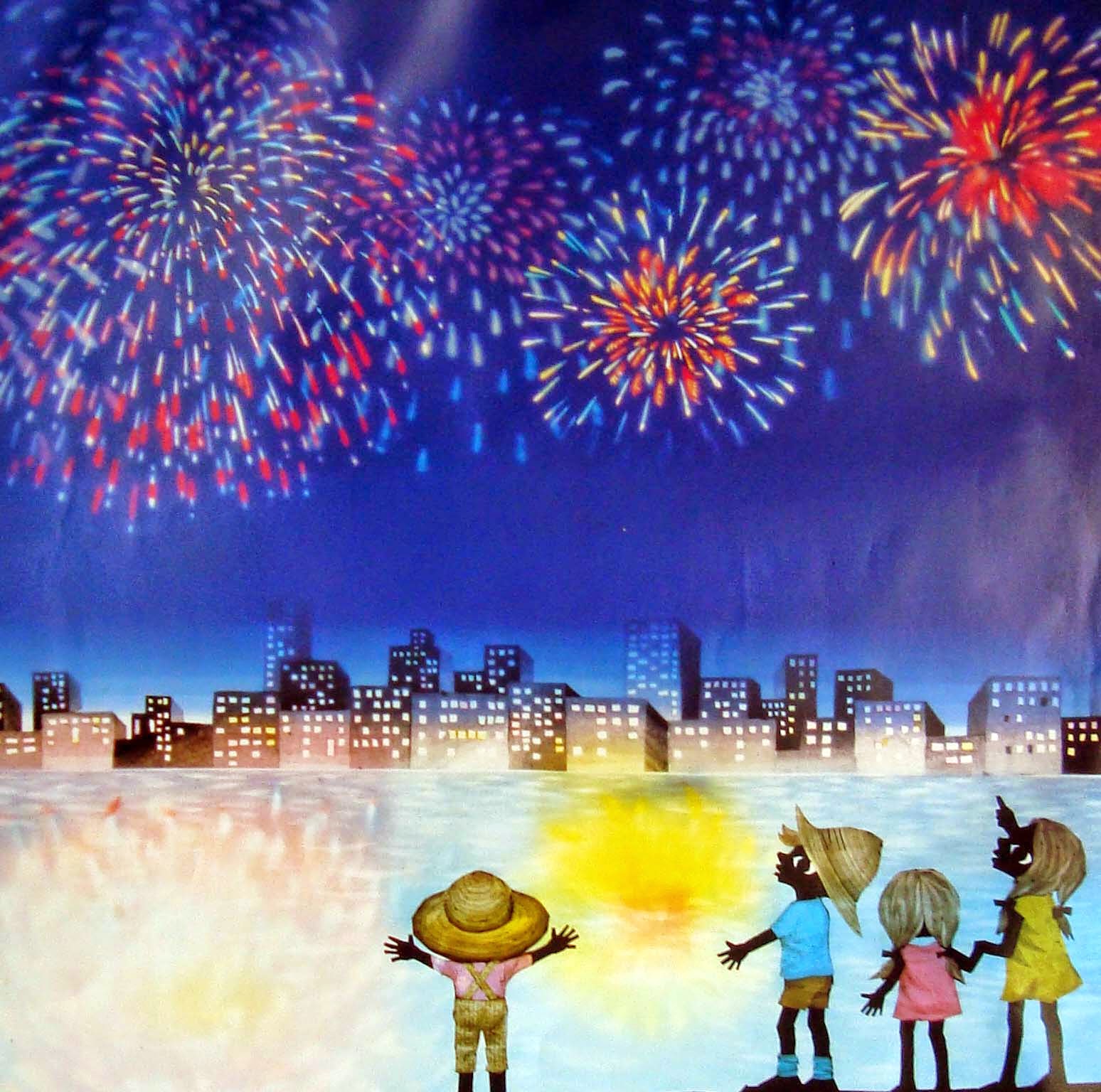
Fireworks, but whose and for whom -
doesn't matter, if at the bidding end, 
such spectacle by man genius is open,
more to the poor and the children. 
 
If Jack and the Beanstalk is still alive,
here is a scene to ponder and compare, 
to dream of the goose that lays the golden egg,
with thousands at their bidding simply stare.  

Do you still believe in Santa Claus?
If you believe, then you do not know;
and if you know, then you don't believe.
Just listen to the soft falling snow. ~

A List of Indigenous Tools and Equipment

Dr Abe V Rotor
Living with Nature School on Blog

Bayong, the most popular utility basket, is made of pandan, buri or coconut leaves.

These are indigenous tools and equipment, many are now rare. The younger generation may not be familiar with many of these in the list. Others have simply evolved into new designs or tools which are difficult to trace as to their origin. There are regional variations and have adopted distinct cultural traits. In fact, there are universal inventions which cannot be claimed by a specific country or culture, such as the following:

1. Trowel (Barrusot Ilk)
2. Hand palay harvester (rakem)
3. Laying hen’s crib (baki)
4. Farmer’s backpack (kuribot)
5. Boat sled (takuli)
6. Bullock Sled (pasagad)
7. Bare bull cart (partigo)
8. Bull cart with sides (kariton)
9. Sledge hammer (maso)
10. Dike (pilapil) bolo (pangtabas)
11. Heavy duty bolo (badang)
12. Everyday bolo (buneng)
13. Dagger (balisong Tag; daga Ilk)
14. Iron nail remover (kabra)
15. Crowbar (bareta)
16. Log saw (sarrotso)
17. Ax (wasay Ilk)
18. Wide brimmed hat (payabyab)
19. Woven hat (kallugong)
20. Planting pole (tik-tak mechanism)
21. Fish basket (alat)
22. Chewing nut bag (tampipi)
23. Scythe (kumpay)
24. Fishing pole (banni-it)
25. Slingshot (palsi-it)
26. Toy hand cannon (palsu-ot)
27. Blowgun (salbatana)
28. Threshing rope with handle (hawak)
29. Threshing board
30. Woven mat (banig)
31. Coconut midrib broom (walis tingting)
32. Soft grass broom (walis tambo)
33. Coco shell cup (ungot)
34. Earthen water pot (calamba, caramba)
35. Earthen pot (for cooking) (palayok, banga)
36. Fish fence (tarit)
37. Fish trap (salakab)
38. Bottom fish trap (kudagdag)
39. Fish net with x-frame (salloy)
40. Throw net (tabukol)
41. Fixed fish trap (bubo)
42. Bird pole trap (taay)
43. Bird loop net (singgapong)
44. Spear (pika)
45. Dugout trap (palab-og)
46. Bow and arrow (pana)
47. Coconut grater (gadgaran)
48. Curve bolo for trimming levees (panabas)
49. Hammer or mallet (martilyo)
50. Lever to draw water from well (babatwagan)

Bamboo craft.  Can you identify the items in this photo? 
Additon
1. Chisel (paet)
2. Planer (katam)
3. Lever (hose type) nibel
4.Push cart (kararit Ilk)
5. Rake (karaykay Ilk)
6. Fish basket (alat')
7. Wooden clog/shoes (bakya)

8. Ladder (hagdan, agdan Ilk)9. Harvesting pole (panunkit, sibbol Ilk)
10. Raincoat made of anahaw (annanga Ilk)
11. Winnowing basket (bila-o, biga-o Ilk)
12.Saw (lagari, ragadi Ilk) 3 types
13. Mortar and pestle (
alsong ken al-o Ilk)

14. Iron kettle (kawa, silyasi Ilk)
15. Wooden ladle (aklo Ilk)


NOTE: List has not been arranged according to use/s, not even alphabetically. This is to allow inclusion of more tools and equipment.

Functional and environment-friendly art from waste

Dr Abe V Rotor
Living with Nature School on Blog
Paaralang Bayan sa Himpapawid with Ms Melly C Tenorio
738 DZRB AM Band, 8-9 evening class, Monday to Friday  

Utility bag from discarded packaging materials - functional and environment-friendly art. Courtesy of Celing, enterprising housewife (Marcelina Centeno DaƱo. For particulars and order, please call: 3945696 ).


Giant Christmas Tree made of soft drink plastic straw - one for the Book of Guinness. Parish church, Bocaue Bulacan

Sunday, November 23, 2014

Dirge in the Western Sky

Dr Abe V Rotor
Living with Nature School on Blog
Paaralang Bayan sa Himpapawid with Ms Melly C Tenorio
738 DZRB AM Band, 8-9 evening class, Monday to Friday
 Fiery sunset over South China Sea 

The night has a thousand eyes,
bright and twinkling in song;
but one dreary night one cries
out, the cry of Armageddon.

No song can bring back the moon
and the stars - they've died out
under a blanket of doom
where spirits roam about.

No other but his own death,
and the earth's, man is doomed;
masked by power and wealth,
softly he digs his own tomb. ~

Friday, November 21, 2014

Mutation Gone Wild Through Genetic Engineering

What good is science that creates a Frankenstein monster deprived of love, home and family, a rebel against humanity?Glass paintings and Poem by Dr Abe V Rotor
 Crustacean mutants
 Turkey fish Siamese twin
Deformed Groupers

        Evolution through fusion: Sargassum fish 


Who is your father, who is your mother?
your sister, your brother?
You look like no one; 
where did you come from?

Who is your guardian, who is your maker?
your ancestor, your kin?
You look like alien; 
where did you come from?

Who is your friend, who is your neighbor?
your mate, your children?
You are an outcast; 
where did you come from?

Why do you have blood other than your own?
Tissue and cells enlarged?
chromosomes paired, unpaired
DNA snipped, spliced? 

Why do you have to be a giant among the small?
Or Lilliputian to be smart?
shaped like barrel or grass,
armed with less or more?

Why do you have to eat more than you should?
ravage all - big and small
to grow too large heeding not
the fate of the dinosaur?

Why do you have to veer away from your origin?
evade the dictates of nature?
live like vagabond 
sans company, sans home?

What good is science destined to nowhere?
 thriving on trial and error?
and having no control 
of good and evil? 

What good  is science sans conscience clear?
though genius its master
at the border of insanity
for fame and glory? 

What good is science that creates a Frankenstein
monster deprived of love,
home and family, 
rebel against humanity?

What good is science that destroys what it builds?  
like mad destroying the Pieta
for not seeing true beauty
in  simplicity and piety?

x x x 

* Spontaneous thoughts of the author while painting these images of an unnatural world.  

Thursday, November 20, 2014

Happy Honeybee

Dr Abe V Rotor


Honeybee on Cadena de Amor, Mt Makiling Botanical Garden, UPLB, Laguna

Morning comes early to the honeybee,
waking up the flowers to meet the day,
their nectar for their young and our tray
and the whole world comes buzzing free.