Thursday, October 28, 2010

Angora Fluffy


Dr Abe V Rotor


She is Fluffy for her cottony fur,
Silk to the touch, easy to comb;
She's always around, never gets far,
Even when you're not at home.


Wednesday, October 27, 2010

Hanging Bridge Across Chao Phraya River, Bangkok

Abe V Rotor


Let me pluck your chords to hear the world sing
of man's triumph over water and vale,
the strain your bear, the pitch of every string,
the tinkling of glasses of wine and ale.
and I would hear the waves below hissing,
endless roar of cars and big ships on sail;
your towers dwarf the old temples shining,
and remind me of the Twin Towers' tale.


Living with Nature 3, AVR

Sunday, October 17, 2010

Collective terms for living things. Say "pride of lions," "skein of geese"

Living with Nature - School on Blog

Abe V Rotor

Just say, fisherfolk

We are fond of numbers and we use different terms to denote animals, plants and our own species. These terms given to groups of animals give us distinct and more vivid imagery about their natural gregarious character.

Lions – pride
• Goat – trip
• Cows – flink
• Sheep – flock
• Birds – flock
• Fishes – school
• Ants - colony
• Flies – swarm
• Cattle – herd
• Bacteria – colony
• Geese – gaggle (on the ground); skein (in the air)

Grouping of plants is unique. Botanists and agriculturists use terms like tillers, as in rice; suckers in banana, runners and stolons in gabi and Bermuda grass, slips in pineapple. All these refer to the asexual progeny of a mother plant, duplicating itself many times in its lifetime. These are agronomic terms: a paddy of rice, an orchard, a grove of coconut, a plot or patch of vegetables.

Among us humans we use many terms such as a battery of lawyers, a battalion or platoon of soldiers, class in schools, team in games. a choir, a batch of graduates, or simply throng for a huge crowd. In an organization we group people into departments, divisions, sections, etc, specifying work and responsibility. Then we have such terms as congregation, fraternity, gang, and the like. But first let’s start with the human species branching into races.

Add on to this list. And keep it handy in class, when reciting or writing.

Living with Nature 3, AVR

Friday, October 15, 2010

Talipapa - People's Mall

Abe V Rotor

Fruits and veggies vendor

Ukay-ukay
Talipapa
Religious items, Quiapo

Souvenir items

Old helping hand

Rolling fishball cart

Window vending

Baskets full of harvest from many a season's toil;
Manna for everyone best grown on our fertile soil;
And goods fashioned by hand by the midnight oil;
To market, to market, I hear the people bid and call;
And hands - young and old come, rough and small;
Of vendors all over, here in this people's mall. ~


Selected from the works of my students in Communications, Faculty of Arts and Letters, UST. Thanks to Marie Laurice Lupoy, Avery Isaac Salaya, Ngu M.V., Marco Marcelo, Kimberly Chua, and K.F Nepomoceno.

Sunday, October 10, 2010

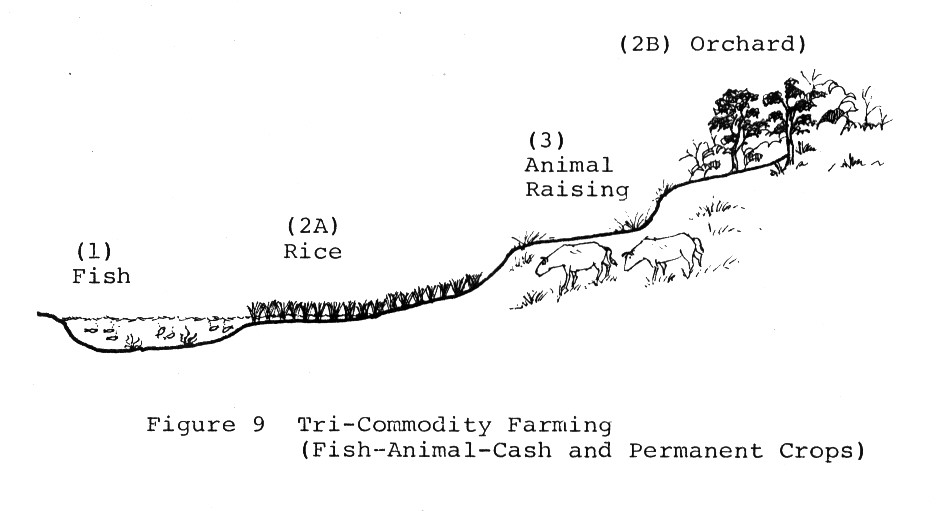
Practical Agro-ecology and Agribusiness Models

Abe V Rotor

School on Blog for agro-ecology and agribusiness. List down the application of each of these models, and specific projects that are based on them. If you are familiar with other systems, kindly add them through the Comments in this blog.


Living with Nature 3, AVR